
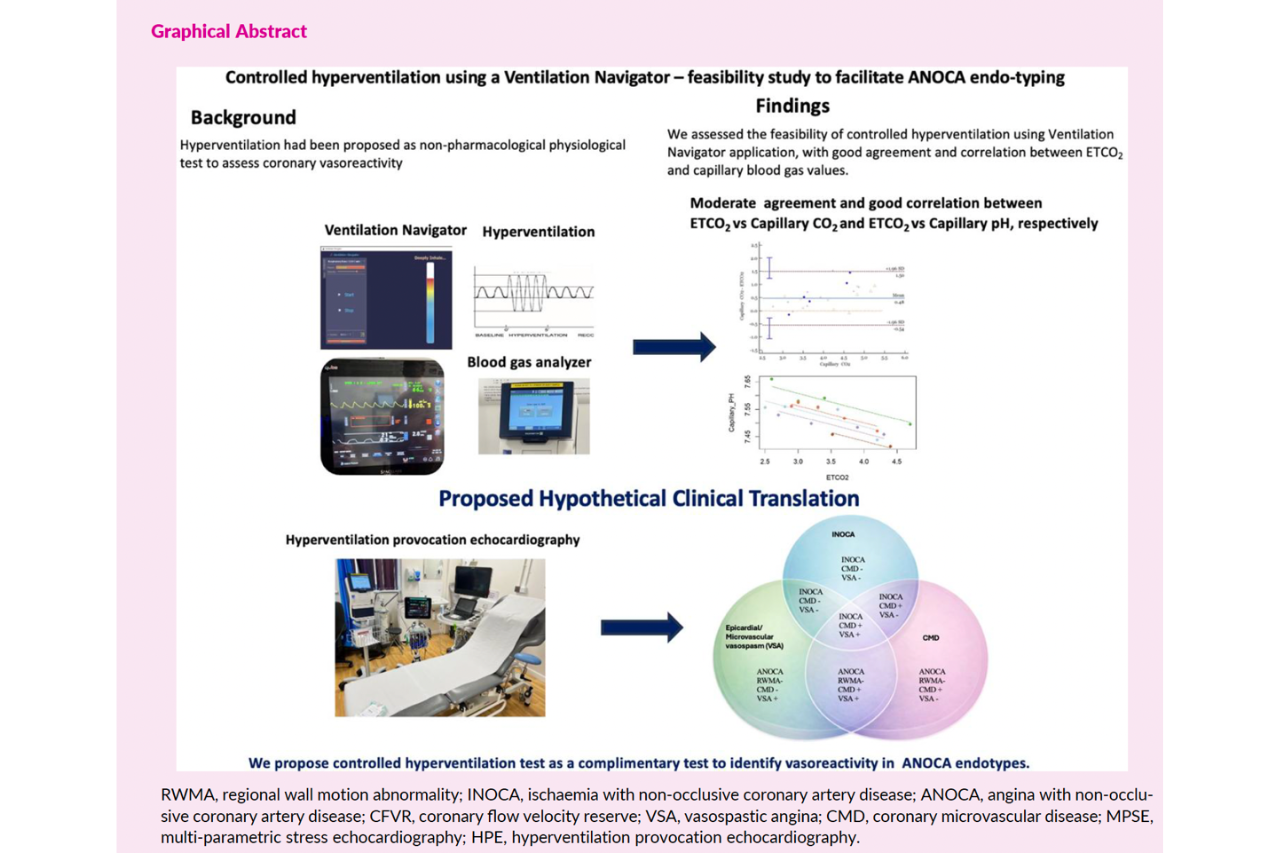
Controlled Hyperventilation using Navigator Software
I am delighted to share our latest publication in European Heart Journal – Imaging Methods and Practice. This feasibility study in healthy volunteers evaluates whether our newly developed Ventilation Navigator software application, created in collaboration with Cranfield University, can deliver controlled ventilation by measuring end-tidal CO2 against capillary blood gas values, including CO2 and pH. This proof-of-concept work is an important step towards implementing controlled hyperventilation to assess coronary vasoreactivity in patients with angina…
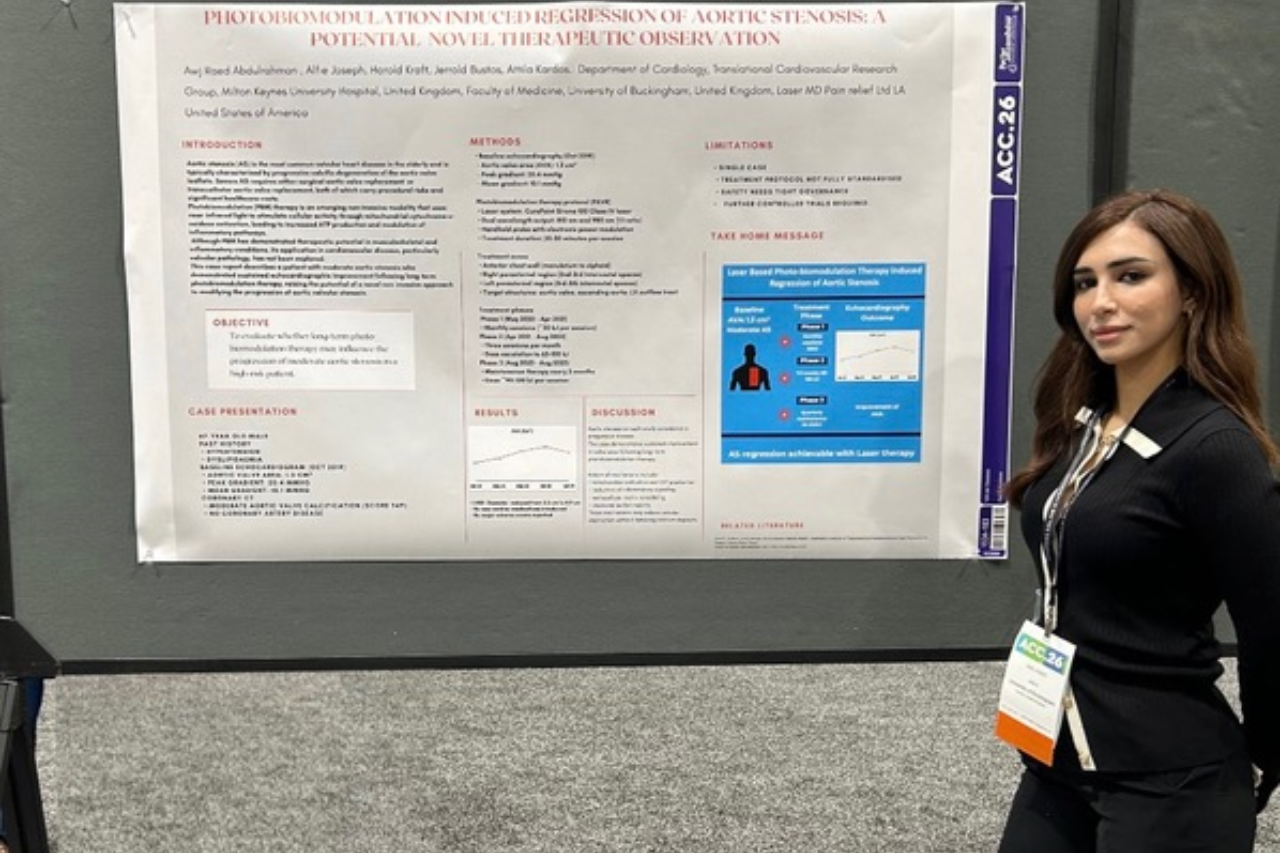
Awj Read Presents Case to American College of Cardiology
We are delighted to present a remarkable achievement by Awj Read, a Medical Student at the University of Buckingham, who presented a distinctive case at the American College of Cardiology annual meeting in New Orleans in collaboration between TCRG and Laser MD from Los Angeles. This case offers a fresh perspective on the management of…
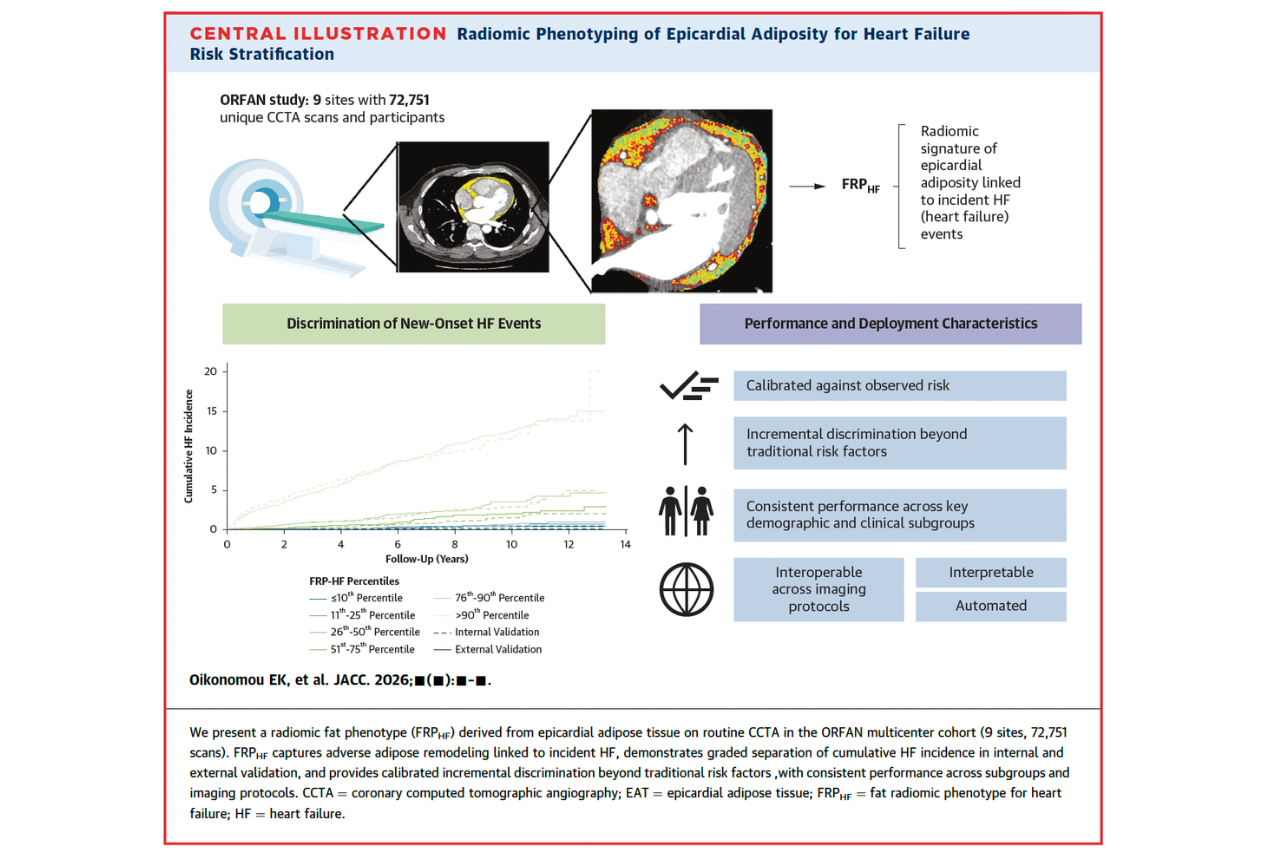
Early Prediction of Heart Failure From Routine Cardiac CT
This groundbreaking study reveals how AI can predict heart failure years before symptoms appear by analyzing routine cardiac CT scans. Using advanced “radiomic phenotyping,” researchers have developed a way to detect microscopic changes in the fat surrounding the heart—essentially turning a standard medical image into a powerful early-warning system. Validated with data from over 70,000…

TCRG Receives Generous Support from MK Friends Charity
We are delighted to announce that the Translational Cardiovascular Research Group (TCRG) has been awarded a generous donation from the MK Friends charity. For over 45 years, MK Friends has been a cornerstone of the Milton Keynes University Hospital community. This latest contribution represents a significant investment in the future of local cardiovascular health. The…
Review of stress echocardiography workforce within UK
Stress echocardiography is a key imaging modality for assessing coronary artery disease in the UK. Traditionally, stress echo services were led by consultant cardiologists, but evolving workforce models have increased the involvement of cardiac physiologists and scientists. This study, as part of the National Review of Stress Echocardiography Practice (BSE N-STEP), aimed to evaluate current…
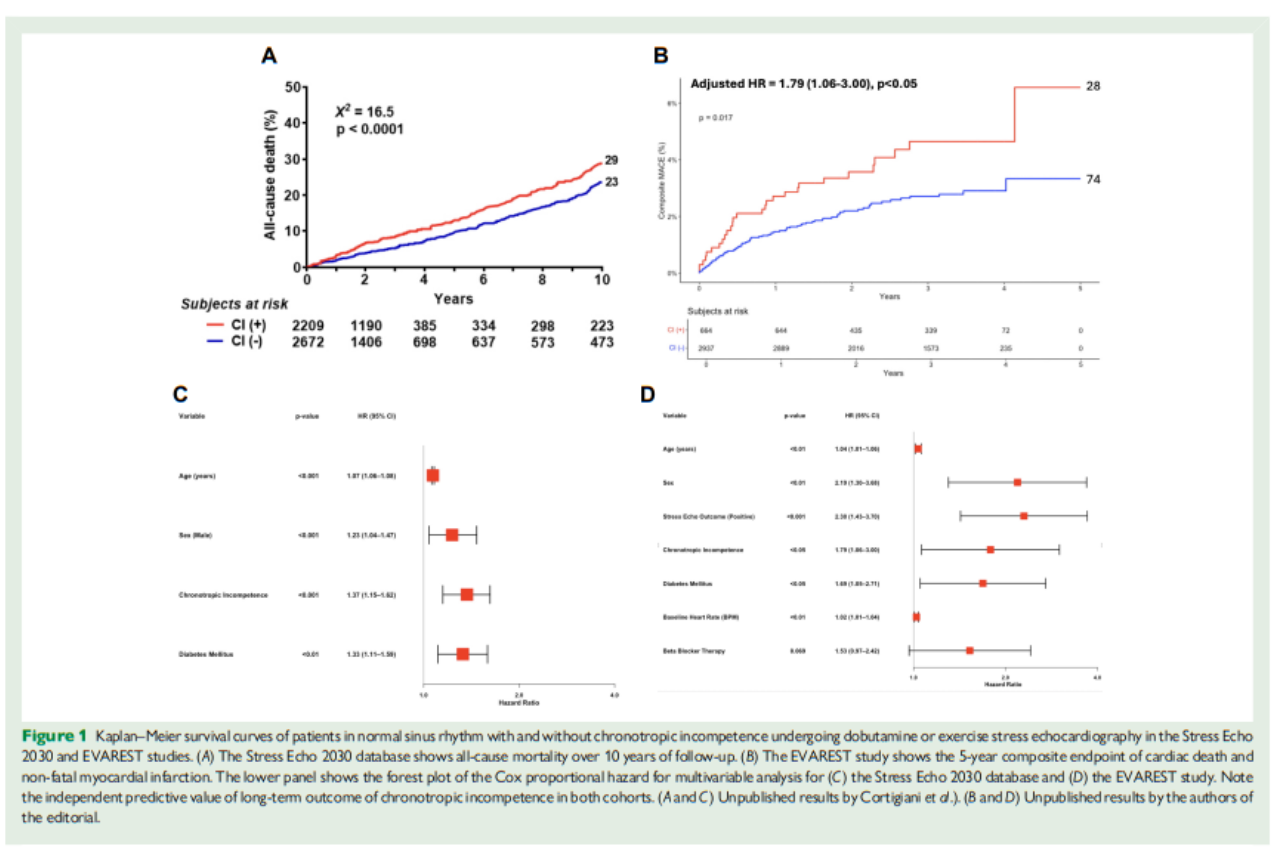
Chronotropic incompetency during stress echocardiography
Stress echocardiography (SE) has gained recognition as a non-invasive diagnostic imaging modality to assess patients with suspected chronic coronary syndrome (CCS). Since exercise SE was introduced in the 1970s, the widened spectrum of stressors such as inodilators (dobutamine) or vasodilators (adenosine, dipyridamole, and recently regadenoson) continues to be rolled out to patients who are otherwise…