
TCRG Receives Generous Support from MK Friends Charity
We are delighted to announce that the Translational Cardiovascular Research Group (TCRG) has been awarded a generous donation from the MK Friends charity. For over 45 years, MK Friends has been a cornerstone of the Milton Keynes University Hospital community. This latest contribution represents a significant investment in the future of local cardiovascular health. The…
Review of stress echocardiography workforce within UK
Stress echocardiography is a key imaging modality for assessing coronary artery disease in the UK. Traditionally, stress echo services were led by consultant cardiologists, but evolving workforce models have increased the involvement of cardiac physiologists and scientists. This study, as part of the National Review of Stress Echocardiography Practice (BSE N-STEP), aimed to evaluate current…
Chronotropic incompetency during stress echocardiography
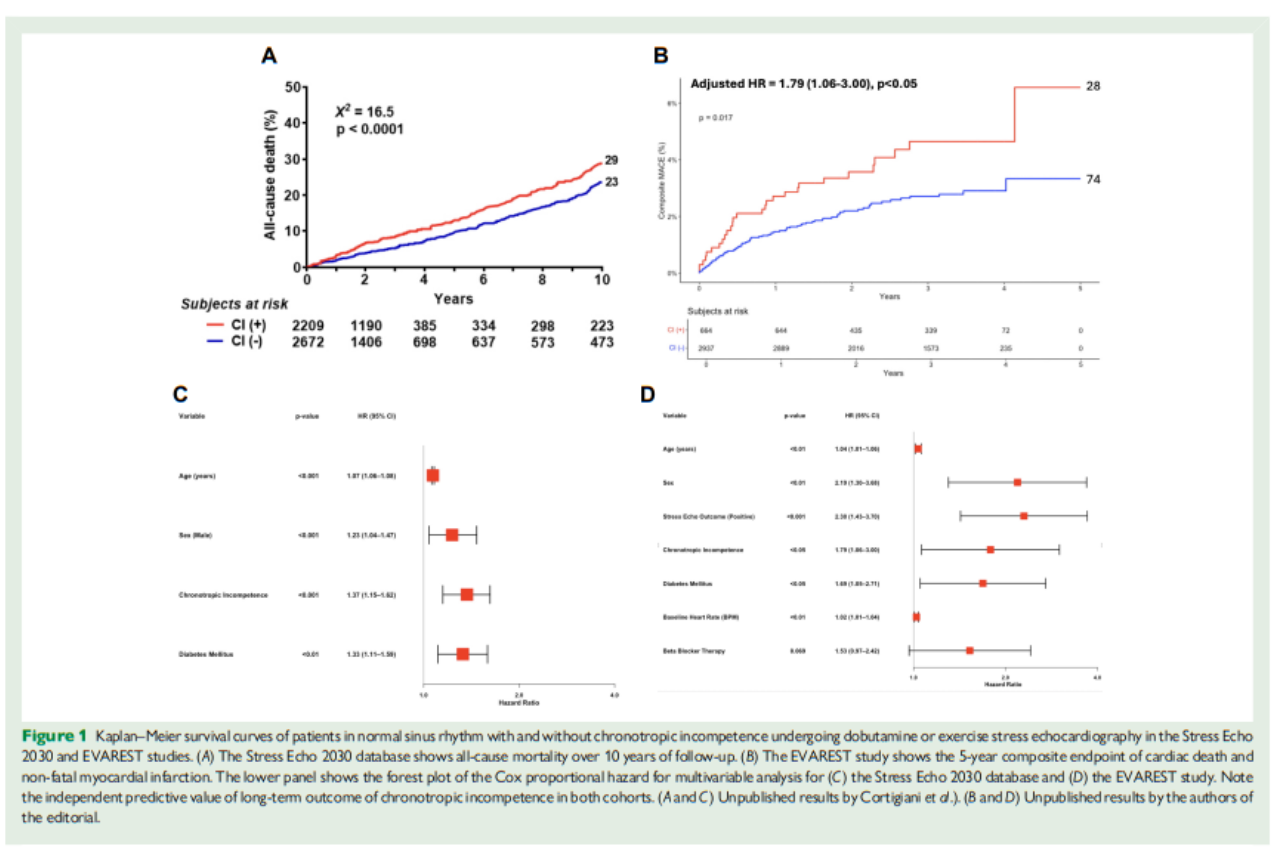
Stress echocardiography (SE) has gained recognition as a non-invasive diagnostic imaging modality to assess patients with suspected chronic coronary syndrome (CCS). Since exercise SE was introduced in the 1970s, the widened spectrum of stressors such as inodilators (dobutamine) or vasodilators (adenosine, dipyridamole, and recently regadenoson) continues to be rolled out to patients who are otherwise…
The Value of Cardiac CT Based Inflammatory RA
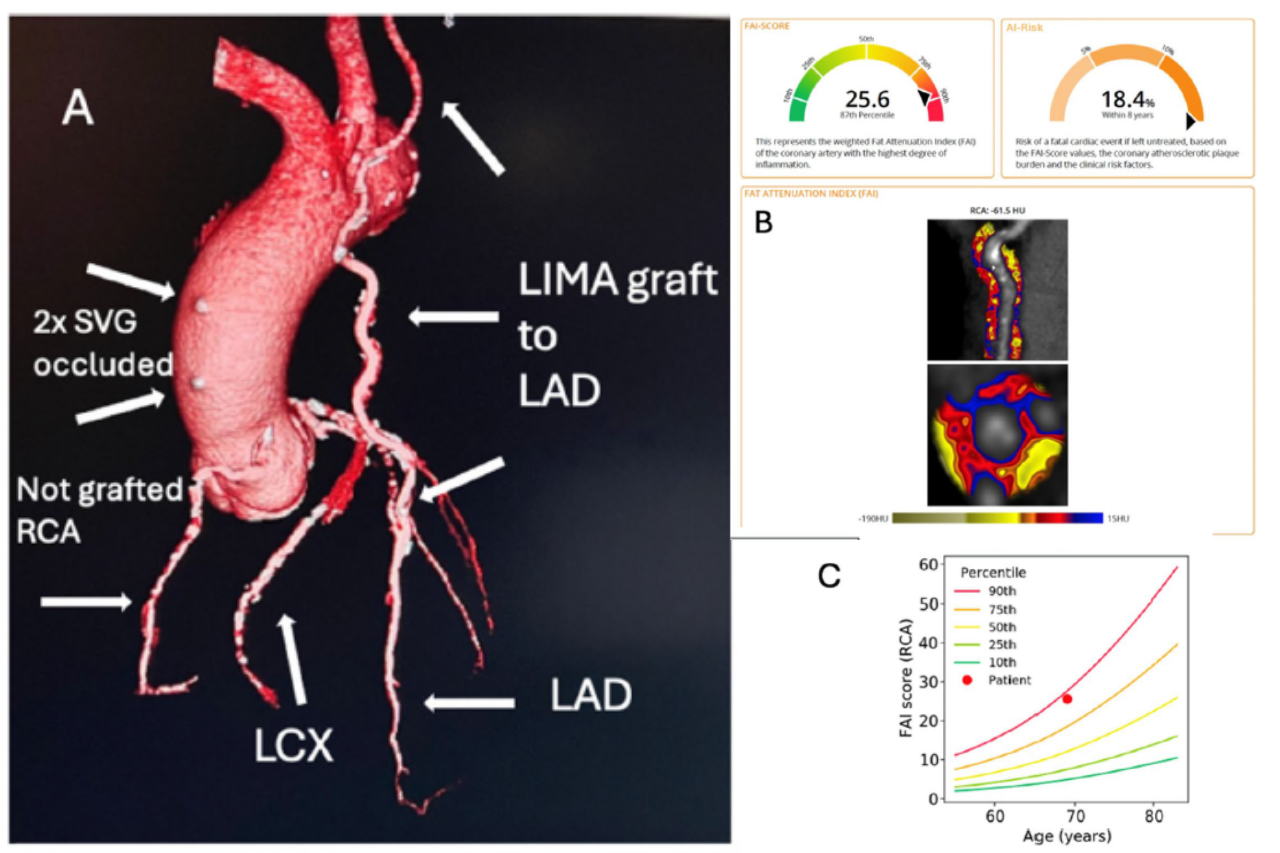
Vascular inflammation plays a critical role in the development of coronary artery disease (CAD). Measurement of coronary inflammation from coronary computed tomography angiography (CCTA) using the perivascular fat attenuation index (FAI) Score could provide unique prognostic information and guide the clinical management of patients. In this context, we also refer to an artificial intelligence–based risk…
MKUH Newsletter discusses "Pioneering Professor Kardos"
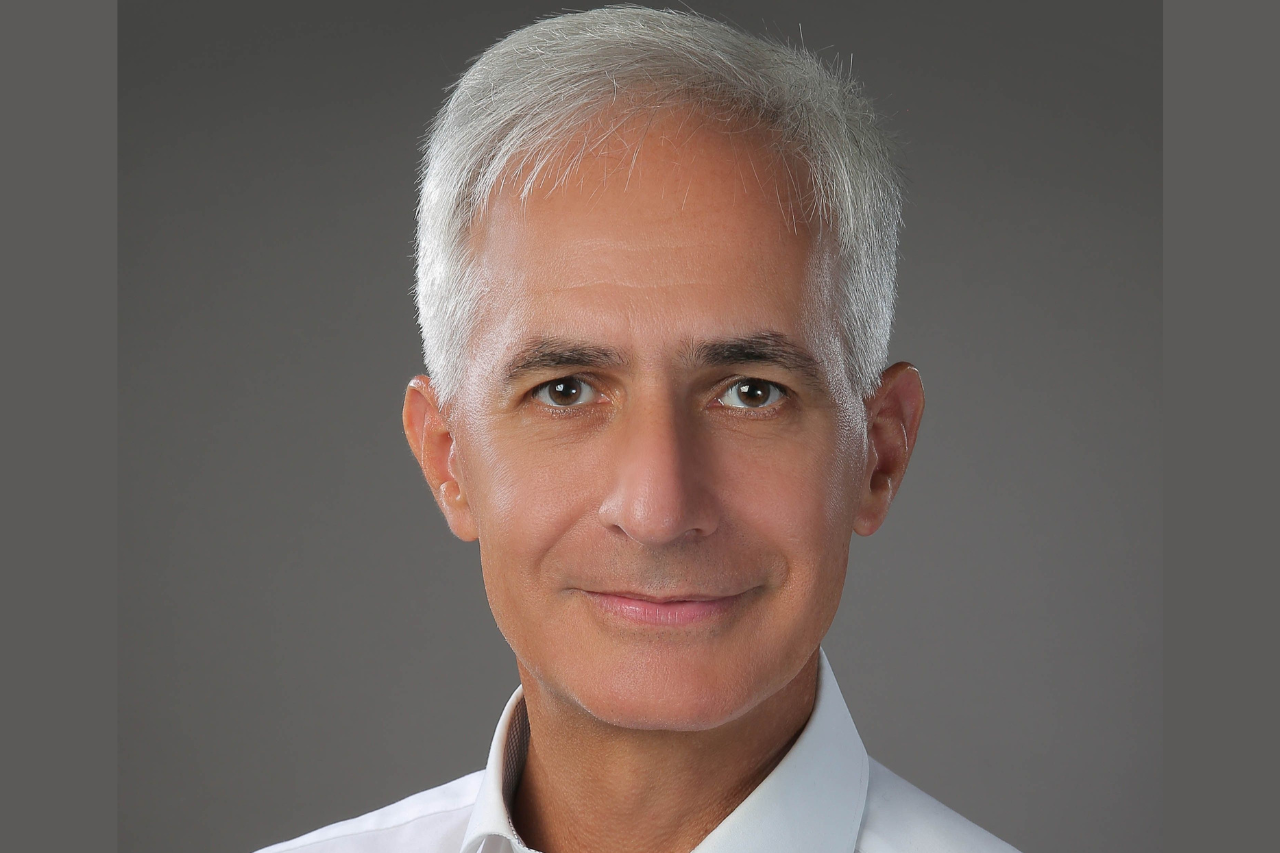
In a recent newsletter sent to all MKUH staff, Professor Kardos work with Cranfield University was described as pioneering. Please see below for the extract: MKUH consultant cardiologist, Professor Attila Kardos, has been working with researchers at Cranfield University on the use of AI-controlled robotics to deliver echocardiograms. It is hoped that the pioneering work…
Presentation at the Madrid ESC Meeting
Success and moderated abstract presentation at the European Society of Cardiology meeting – Madrid