Early Prediction of Heart Failure From Routine Cardiac CT

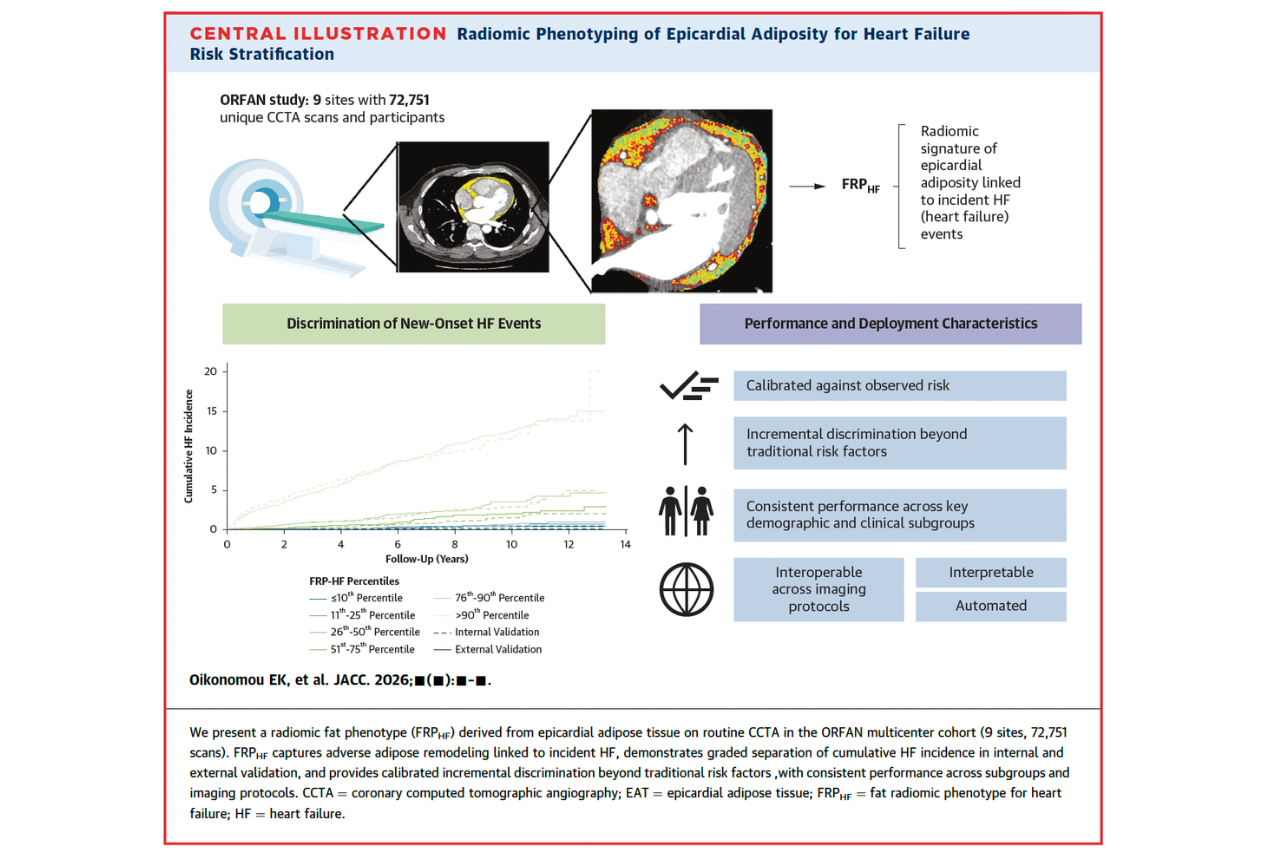
This groundbreaking study reveals how AI can predict heart failure years before symptoms appear by analyzing routine cardiac CT scans. Using advanced “radiomic phenotyping,” researchers have developed a way to detect microscopic changes in the fat surrounding the heart—essentially turning a standard medical image into a powerful early-warning system. Validated with data from over 70,000 … Read more

TCRG Receives Generous Support from MK Friends Charity

We are delighted to announce that the Translational Cardiovascular Research Group (TCRG) has been awarded a generous donation from the MK Friends charity. For over 45 years, MK Friends has been a cornerstone of the Milton Keynes University Hospital community. This latest contribution represents a significant investment in the future of local cardiovascular health. The … Read more

Recent visit to TCRG by Chair of MKUH

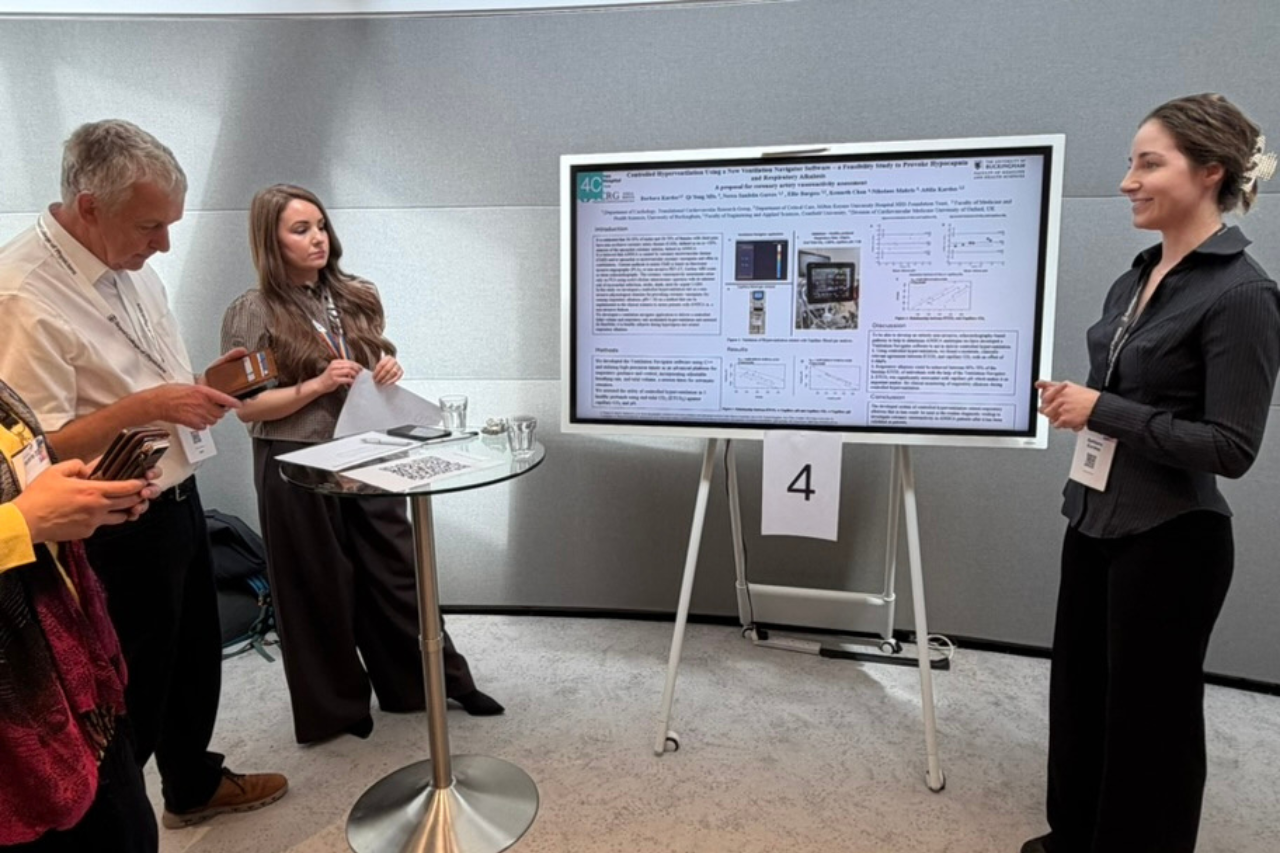
We are pleased to communicate that the Chair of our Hospital has visited the Research Group (TCRG) on 29 October. The Chair had a tour of Cardiology and sat down with the researchers who represented our Research team at the European Society of Cardiology Annual meeting in Madrid. The two poster presentations were discussed that … Read more

Chronotropic incompetency during stress echocardiography

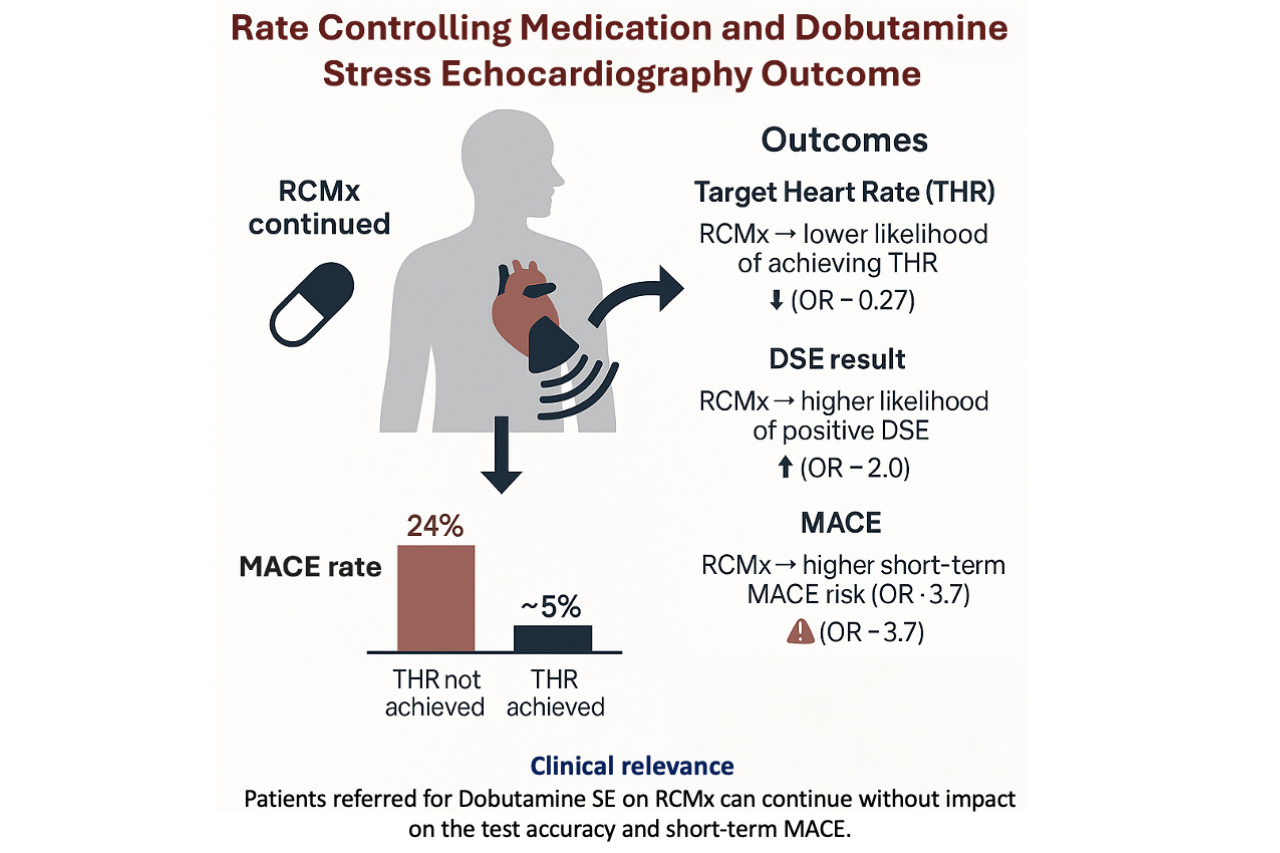
Stress echocardiography (SE) has gained recognition as a non-invasive diagnostic imaging modality to assess patients with suspected chronic coronary syndrome (CCS). Since exercise SE was introduced in the 1970s, the widened spectrum of stressors such as inodilators (dobutamine) or vasodilators (adenosine, dipyridamole, and recently regadenoson) continues to be rolled out to patients who are otherwise … Read more

The Value of Cardiac CT Based Inflammatory RA

Vascular inflammation plays a critical role in the development of coronary artery disease (CAD). Measurement of coronary inflammation from coronary computed tomography angiography (CCTA) using the perivascular fat attenuation index (FAI) Score could provide unique prognostic information and guide the clinical management of patients. In this context, we also refer to an artificial intelligence–based risk … Read more

MKUH Newsletter discusses “Pioneering Professor Kardos”

In a recent newsletter sent to all MKUH staff, Professor Kardos work with Cranfield University was described as pioneering. Please see below for the extract: MKUH consultant cardiologist, Professor Attila Kardos, has been working with researchers at Cranfield University on the use of AI-controlled robotics to deliver echocardiograms. It is hoped that the pioneering work … Read more

Long-term Prognostic Value of Myocardial Perfusion Scintigraphy

This study systematically evaluated the long-term outcomes of myocardial perfusion scintigraphy (MPS) in patients with suspected coronary artery disease (CAD). ​ It analysed data from four trials involving 1764 patients with a median follow-up of 35.7 months. ​ Positive MPS results, indicating reversible perfusion defects, were linked to higher risks of major adverse cardiovascular events … Read more

Cautionary Tale of Failed Mitral Valve Replacements

This case report discusses the tragic outcome of a young female patient in her early 50s with rheumatic heart disease (RHD) who underwent multiple mitral valve replacements. Initially diagnosed with mitral valve prolapse at age 12, she received a bioprosthetic mitral valve replacement (bMVR) 26 years later, which degenerated after 13 years, leading to severe … Read more