Controlled Hyperventilation using Navigator Software

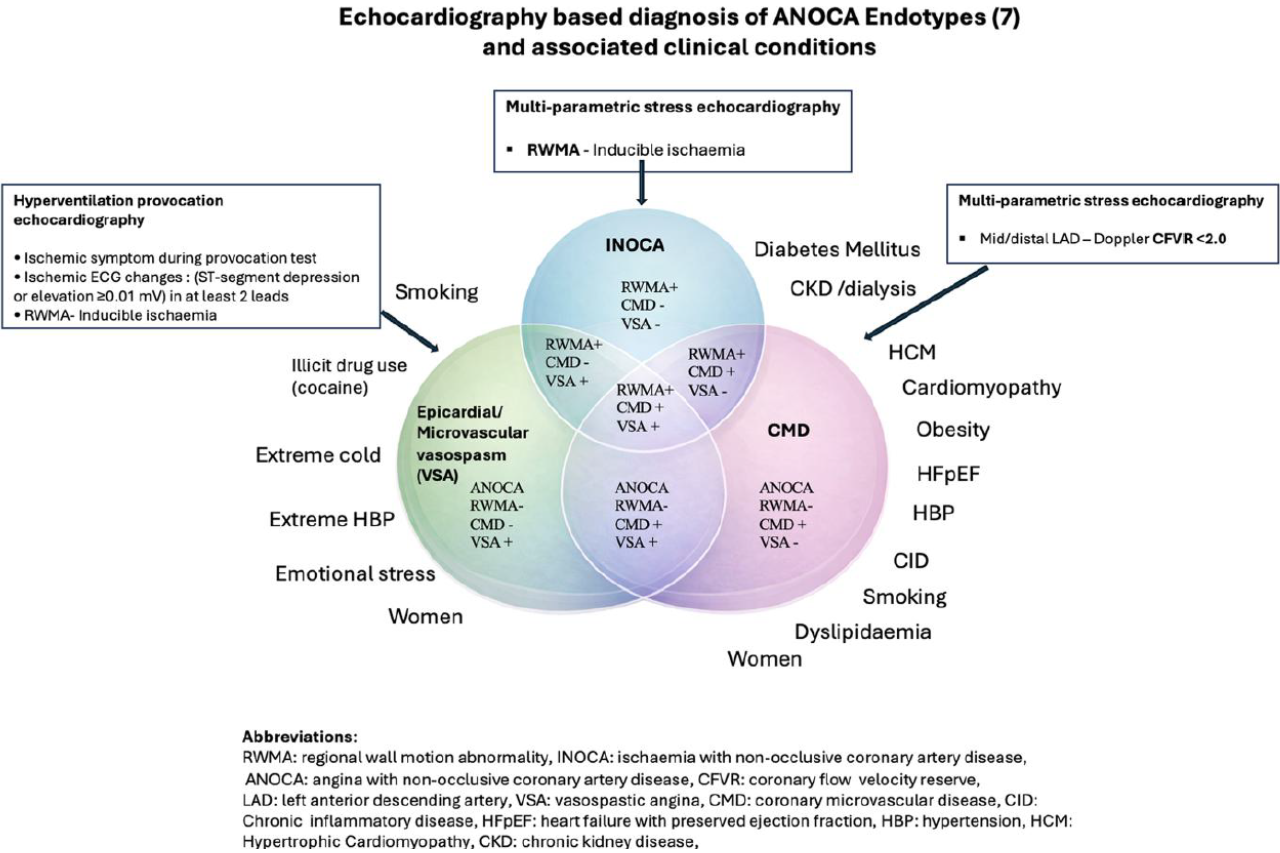
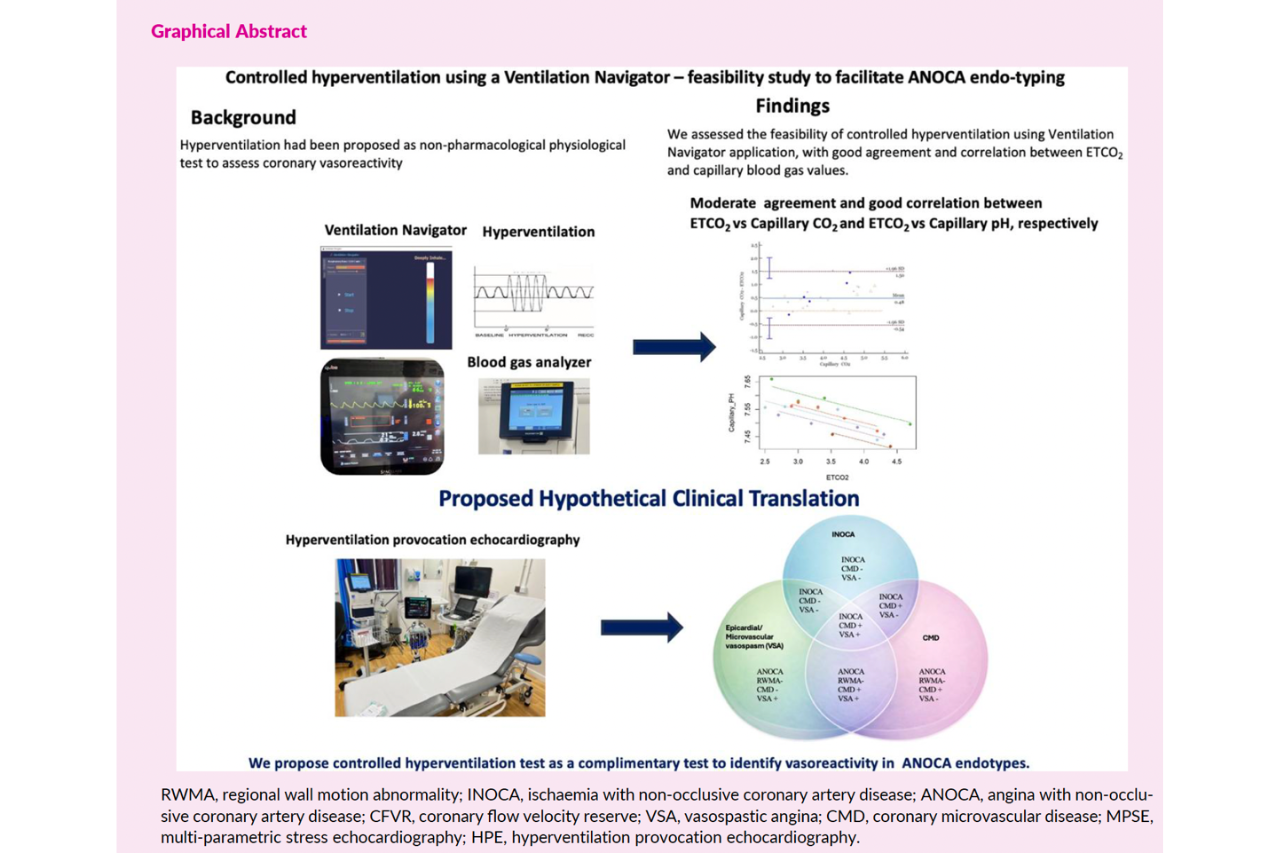
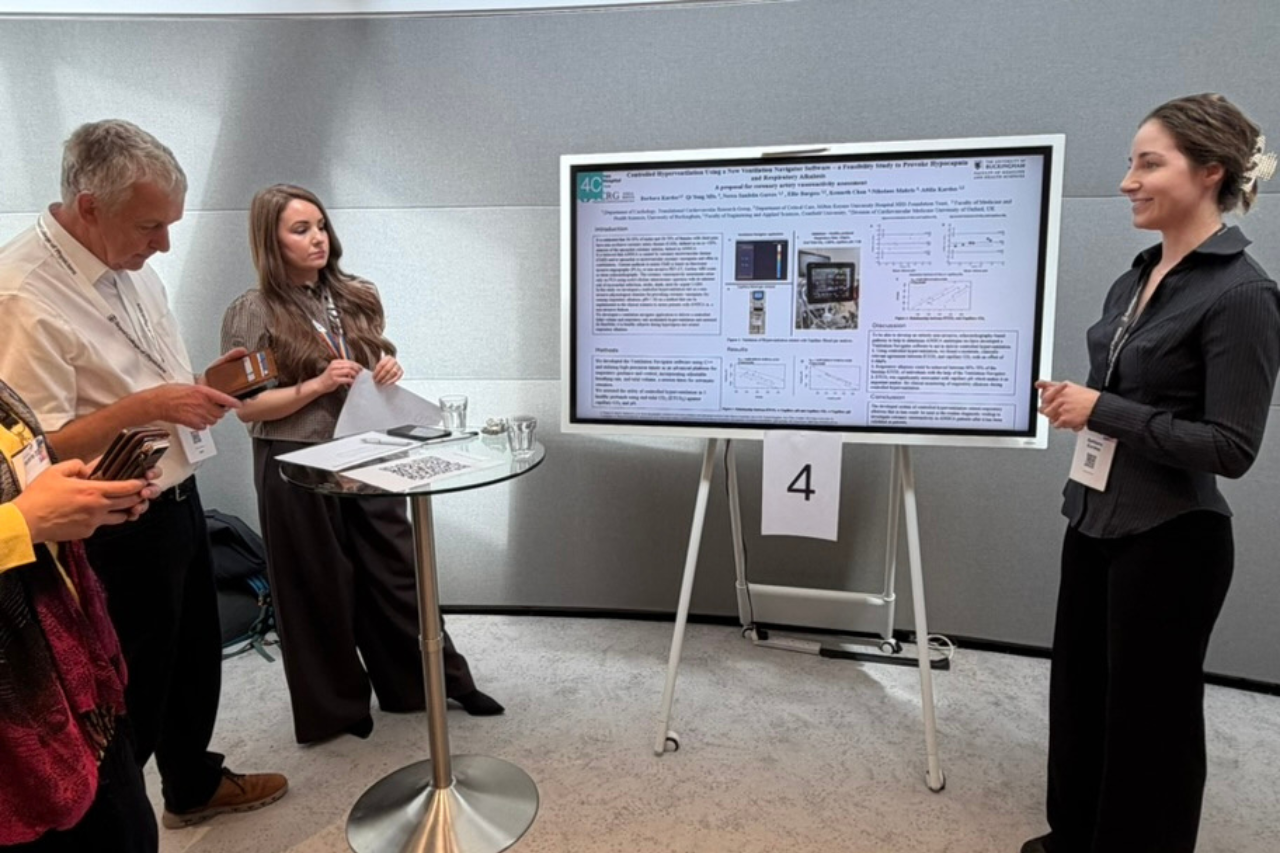
I am delighted to share our latest publication in European Heart Journal – Imaging Methods and Practice. This feasibility study in healthy volunteers evaluates whether our newly developed Ventilation Navigator software application, created in collaboration with Cranfield University, can deliver controlled ventilation by measuring end-tidal CO2 against capillary blood gas values, including CO2 and pH. This proof-of-concept work is an important step towards implementing controlled hyperventilation to assess coronary vasoreactivity in patients with angina … Read more

Webinar recording available from JCM

On behalf of the Journal of Clinical Medicine, I would like to sincerely thank you once again for your valuable contributions to the webinar and for collaborating with us on this successful event. Your expertise and engaging presentations made the webinar highly informative and valuable for attendees. I am pleased to inform you that the webinar … Read more

Situational Syncope Across Diverse Triggers

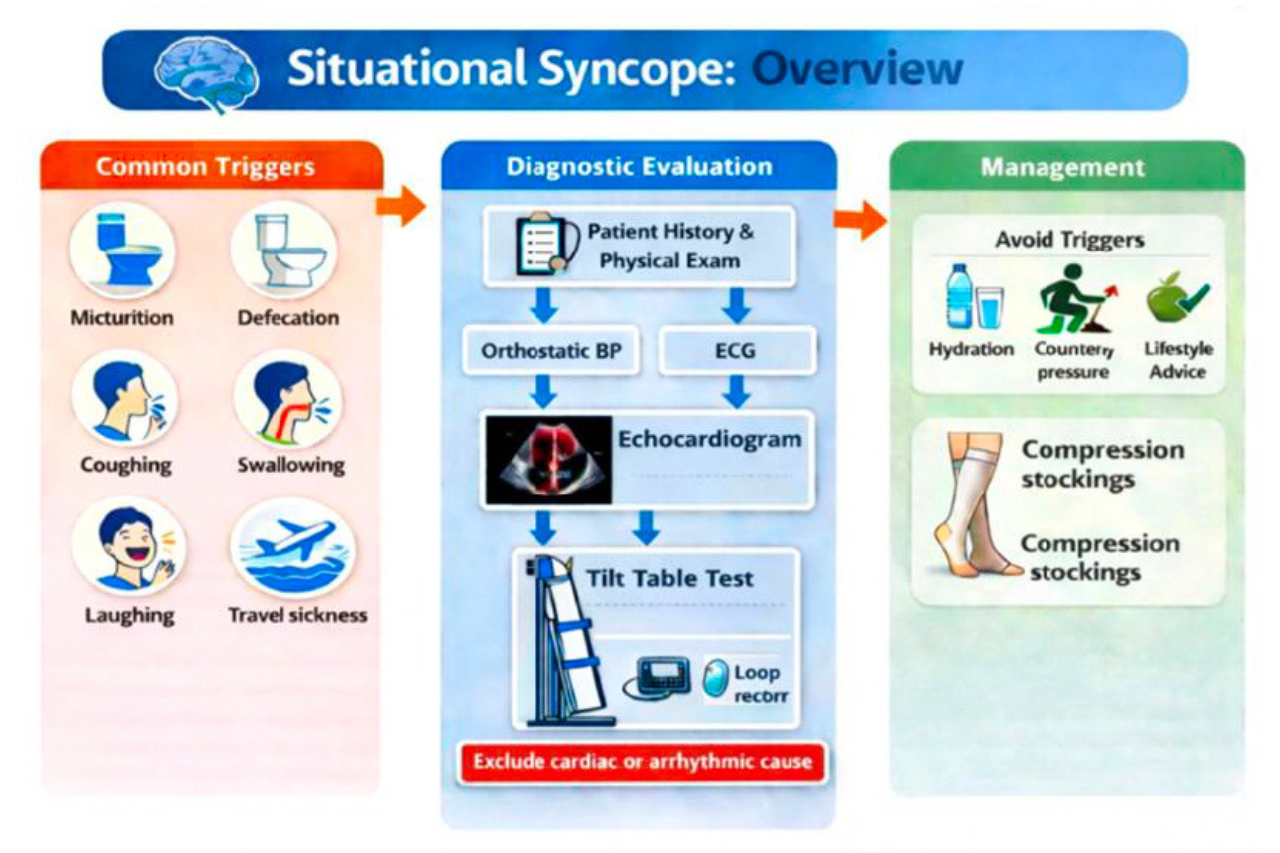
While transient loss of consciousness is a frequent and alarming clinical presentation, situational syncope—a subtype of neurally mediated reflex syncope—frequently slips under the diagnostic radar. This illuminating case series follows six adults whose fainting or near-fainting spells were triggered by everyday activities ranging from the common, like coughing and micturition, to the highly unusual, including … Read more

Effect of Rate-Controlling Medication on Dobutamine Stress Echocardiography

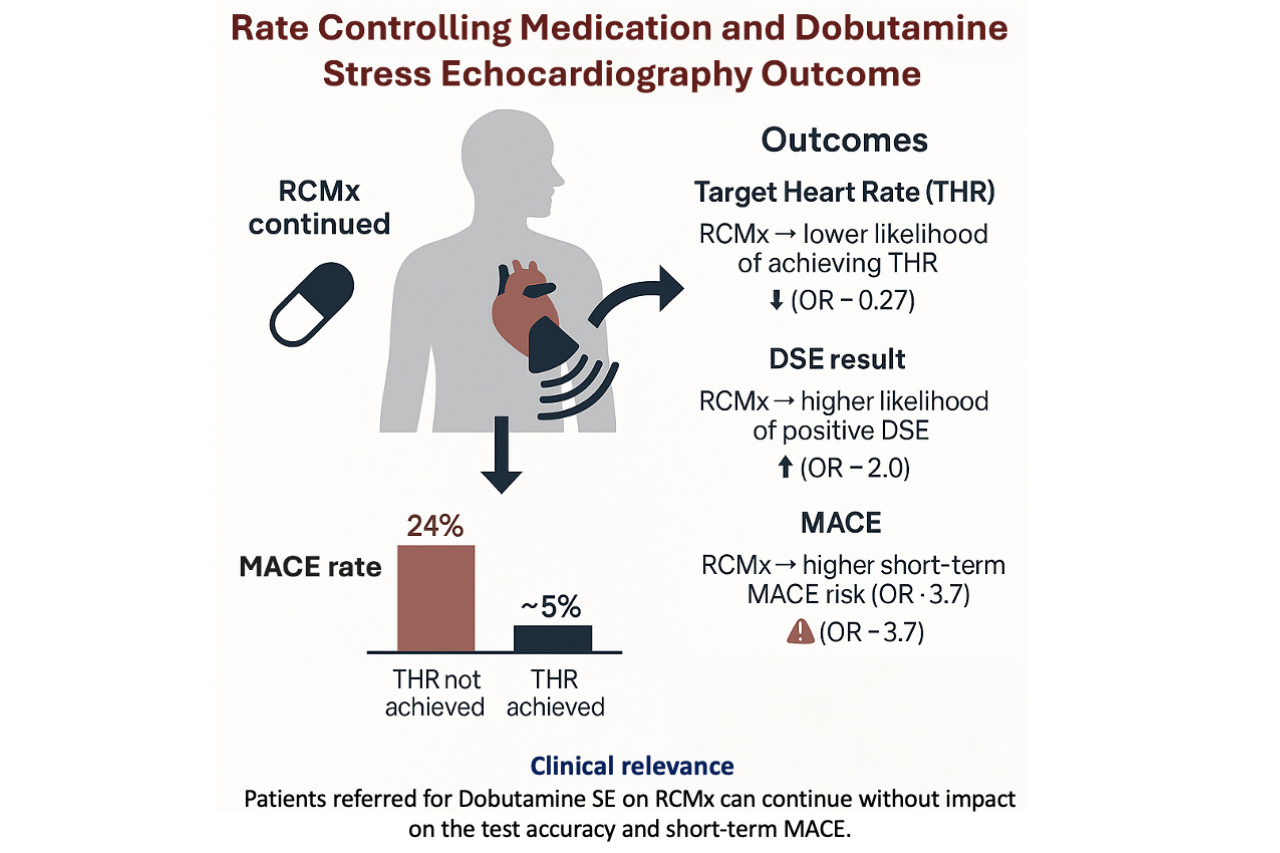
For years, professional guidelines and expert opinions have conflicted on a crucial pre-test instruction: should patients stop taking their rate-controlling medications (RCMx), like beta-blockers, 48 hours before undergoing a stress echocardiography? While conventional wisdom suggests halting these medications improves diagnostic accuracy by making it easier to reach target heart rates, hard evidence has been strikingly … Read more

Early Prediction of Heart Failure From Routine Cardiac CT

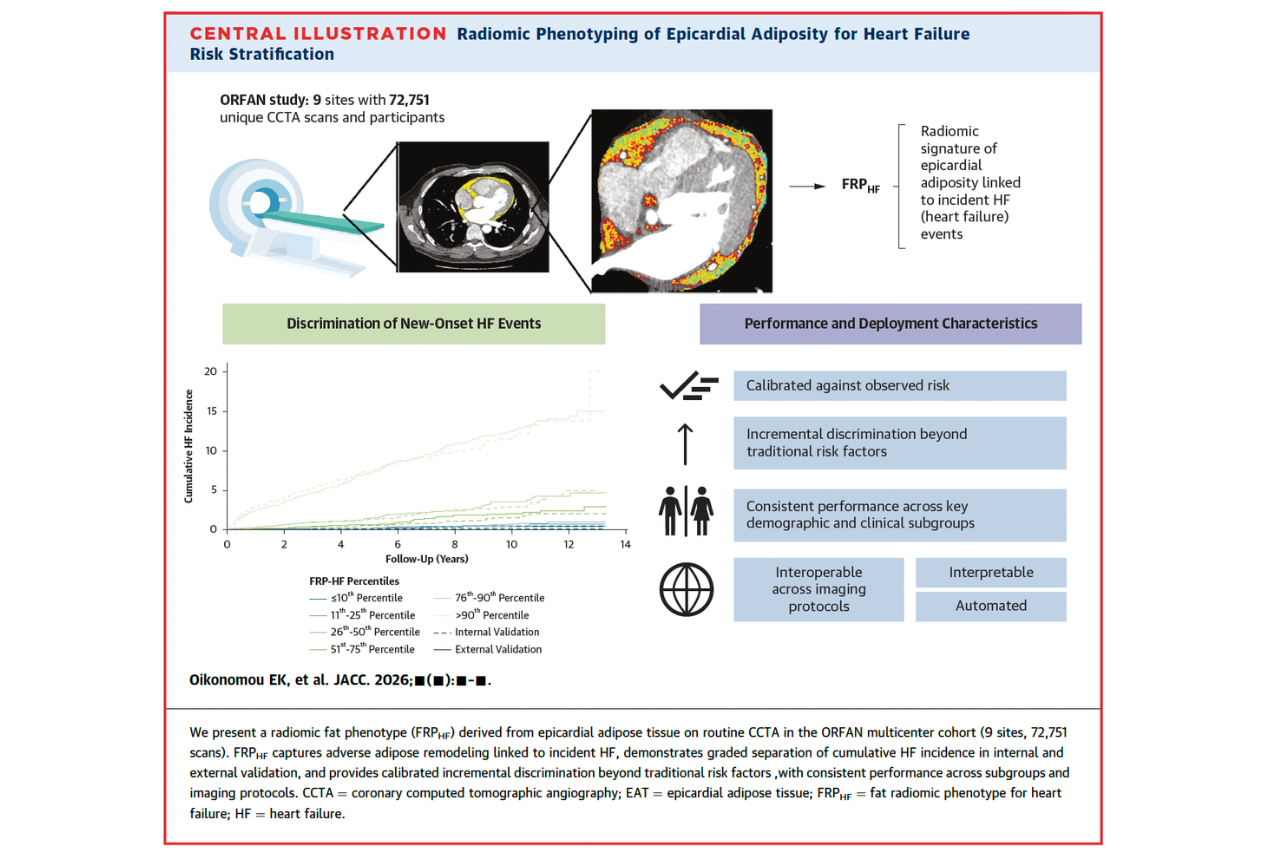
This groundbreaking study reveals how AI can predict heart failure years before symptoms appear by analyzing routine cardiac CT scans. Using advanced “radiomic phenotyping,” researchers have developed a way to detect microscopic changes in the fat surrounding the heart—essentially turning a standard medical image into a powerful early-warning system. Validated with data from over 70,000 … Read more

Diagnostic and Prognostic Performance of Pericoronary Adipose Tissue Attenuation

With great pride we are attaching our Cardiovascular research group’s current research publication as part of the RAPID CTCA trial between 2017-2019 . This trial recruited intermediate risk ACS patients and randomised for CCTA guided and standard clinical care arm. In the  subgroup analysis it show the non superior value of the peri-coronary artery adipose tissue c/w … Read more

TCRG Receives Generous Support from MK Friends Charity

We are delighted to announce that the Translational Cardiovascular Research Group (TCRG) has been awarded a generous donation from the MK Friends charity. For over 45 years, MK Friends has been a cornerstone of the Milton Keynes University Hospital community. This latest contribution represents a significant investment in the future of local cardiovascular health. The … Read more

Non-invasive cardiovascular and vital signs monitoring techniques

Please find this excellent piece of work from our joint PhD student Qi Yong (Cranfield University – MKUH TCRG.org.uk) entitled: Non-invasive cardiovascular and vital signs monitoring techniques, as a systematic review of emerging contactless cardiovascular monitoring techniques.   This article compares radar-based methods, optical measurements, ballistocardiograph, contactless electrocardiogram (ECG), and wearable devices across eight key dimensions.  The co-autors are: (Prof … Read more