
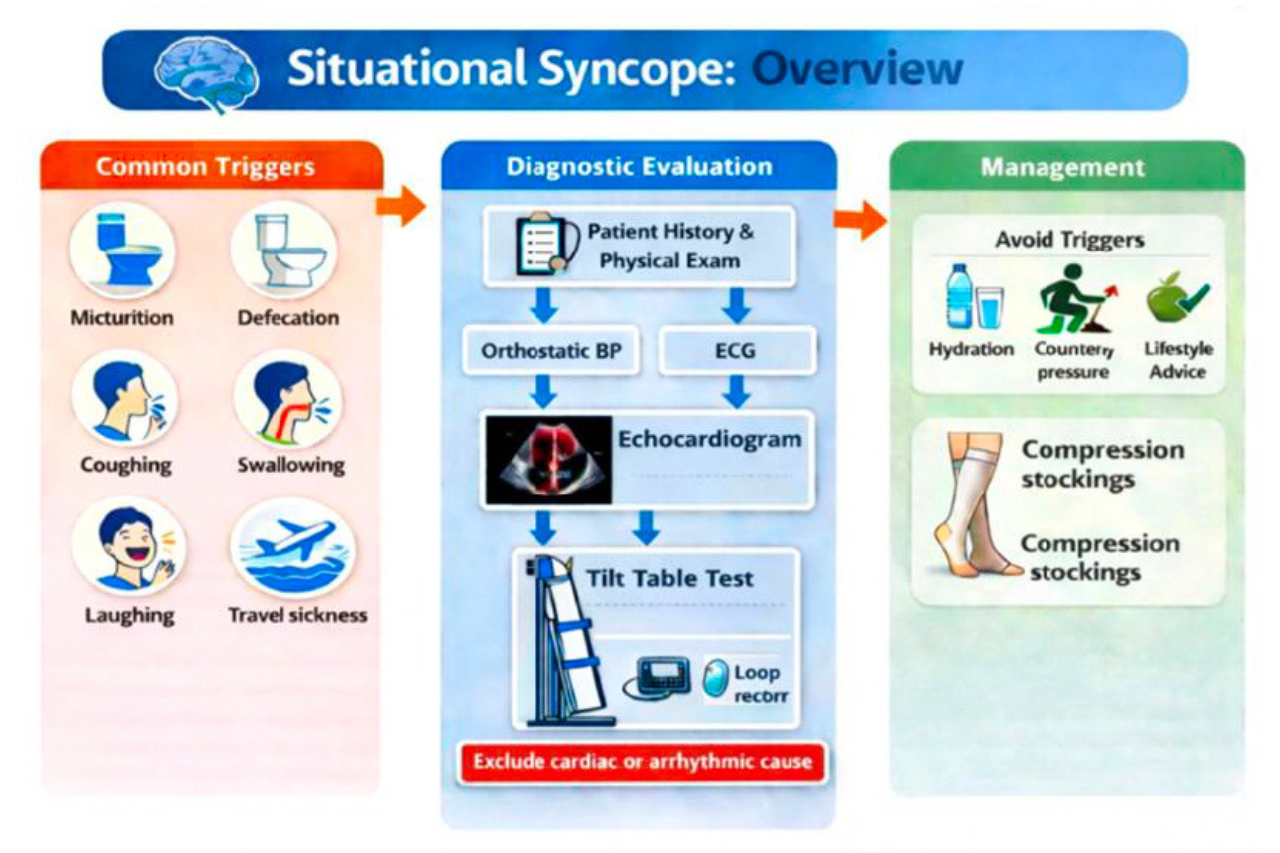
While transient loss of consciousness is a frequent and alarming clinical presentation, situational syncope—a subtype of neurally mediated reflex syncope—frequently slips under the diagnostic radar. This illuminating case series follows six adults whose fainting or near-fainting spells were triggered by everyday activities ranging from the common, like coughing and micturition, to the highly unusual, including laughter, swallowing, and even motion sickness. By exploring this clinical heterogeneity, the paper pulls back the curtain on how diverse autonomic triggers can mimic high-risk cardiac events, highlighting the physiological mechanisms behind these startling but benign episodes.
Crucially, the study demonstrates how a meticulous, detailed history can confidently establish a diagnosis and prevent patients from undergoing an exhausting battery of unnecessary, high-cost cardiac investigations. With all six patients achieving complete symptom resolution through simple, conservative lifestyle modifications and education, this article serves as an invaluable practical guide for clinicians. Read the full text below to sharpen your diagnostic confidence, expand your awareness of atypical triggers, and optimize outcomes for patients presenting with unexplained syncope.